Theme park operators are becoming increasingly sophisticated at pricing, packaging and monetising the guest experience. But as admission costs rise, Tom Anstey asks whether operators are giving guests enough value in return
I remember when a theme park breaking the $100 entry barrier was big news. But today, you’d be hard-pressed to find a major park where that is particularly shocking.
And we’re not just talking about inflation. As operators embrace dynamic pricing and introduce increasingly sophisticated ways to monetise capacity, a family of four can quickly find itself spending a significant chunk of its monthly wage on a single day out – and that’s before the souvenirs start flying.
Theme parks have increasingly moved towards dynamic pricing, with the most desirable dates commanding substantially higher prices.
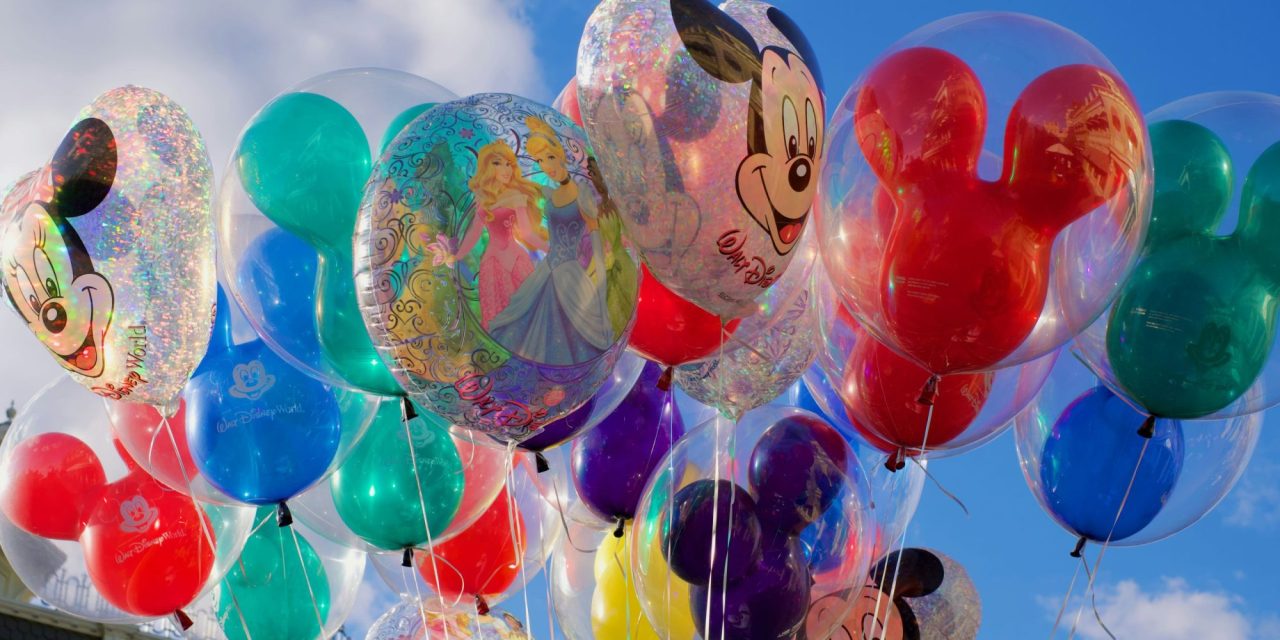
The headline figures are striking. A single-day, one-park Disney ticket at Disneyland in California can reach $224, while peak-day admission at Walt Disney World can reach $219. While the lower tiers are significantly cheaper, this pricing tactic isn’t just raising costs; the industry is learning how much visitors are prepared to pay for the same basic experience.
A dynamic blunder
On paper, dynamic pricing makes sense for an operator.
Using software and algorithms, prices can be adjusted according to demand. Visit on a quieter day, and you pay less. Visit on a peak day and you pay more. The product is essentially the same. The price isn’t.
It is a model that has become commonplace across the attractions industry in recent times, but it has a serious problem: consumers don’t always like being reminded that the price they’re paying is determined by how badly they want something.
The controversy surrounding FIFA’s use of dynamic pricing for the 2026 World Cup offered a particularly stark example. Prices for some tickets surged dramatically, provoking widespread criticism and accusations that the organisation had pushed the model too far. Driven by the model, prices skyrocketed, with an average World Cup ticket costing close to $1,500 and Category 1 seats jumping from an average of $1,300 in previous tournaments to a staggering $32,970 in this one.
In this instance, the aggressive pricing structure heavily backfired. Treating fan loyalty as a guarantee, FIFA’s model led to unprecedentedly low demand. High-profile allocations failed to sell out because the cheapest seats through official fan clubs cost upwards of £3,000. In order to save face, FIFA was forced to slash ticket prices with the introduction of a $60 “Supporter Entry Tier”.
What was touted as a “once-in-a-generation” revenue opportunity became a huge public blunder and the first of several controversies for the organisation that now sees FIFA President Gianni Infantino under pressure to resign from his position.
The backlash against FIFA’s dynamic pricing strategy is a cautionary tale. With a ticket to a Disney park now going beyond $200 during peak periods, there’s a point at which optimising revenue starts to damage the relationship between a brand and its customers.
The numbers keep rising
Disney has repeatedly been the industry leader when it comes to pushing through psychological price barriers. Every time the company crosses another threshold, it sounds extraordinary. Then, eventually, the market adjusts.
Other major operators follow, and yesterday’s outrageous price becomes tomorrow’s benchmark.
Europe hasn’t reached quite the same levels as the US, but the direction of travel is similar. Disney remains at the top end, with peak admission at Disneyland Paris now reaching well into three figures, while parks such as Europa-Park, Alton Towers, PortAventura World and Efteling generally sit in a lower bracket.
But even the ticket price doesn’t tell the full story. A day at a major theme park can involve admission, parking, food, merchandise, transport, premium access, special experiences and, increasingly, an overnight stay.
The park becomes the anchor for a much larger leisure purchase. And that’s where the perception of value becomes crucial.
A family might accept paying more for a spectacular new attraction or a beautifully themed environment. But if that same family spends hundreds of pounds, euros or dollars only to spend much of the day queuing, paying extra for basic conveniences and buying expensive food, the question becomes much simpler: Was it worth it?
The extra scoop
If parks are going to increase prices, especially to the levels we are seeing today, then they need to manufacture generosity.
Take the popular fast-food chain Five Guys, for example. If you’ve been, you know the routine – the employee fills your cup with fries, drops it into the paper bag and then adds another scoop on top. You look inside and it’s a fry bonanza.
But they aren’t secretly hooking you up; it’s a corporate policy already factored into their costs.

This psychological concept of net perceived value can trigger customer goodwill, drive repeat business, and get people talking about a brand. Charging $200 dollars just to get through the gate after you’ve paid $50 to park is the complete opposite of this, but it’s easy to address.
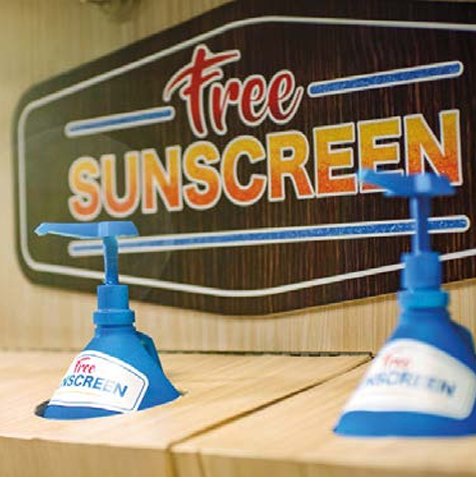
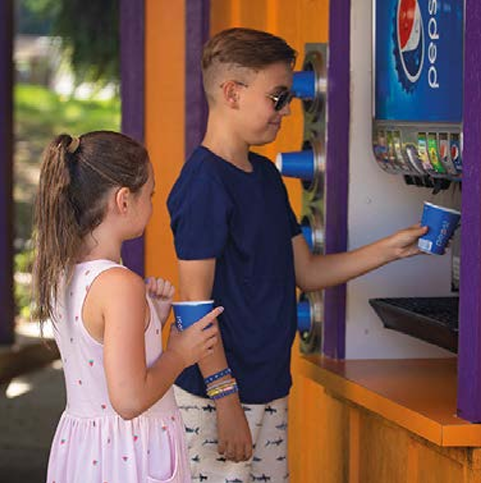
Holiday World & Splashin’ Safari in Indiana takes this approach particularly well, offering free unlimited soft drinks and sunscreen to guests. These aren’t enormous costs relative to the overall price of admission, but they create a feeling that the operator is giving something back.
And this doesn’t have to mean giving away everything.
If a park is going to charge $200 for admission, perhaps the proposition should include free parking, free drink refills or a limited priority access benefit. Make the ticket feel more complete.
Costco operates on a similar principle. The retailer can make significant margins on some products, but it has also built a reputation around keeping certain headline items – such as its famous hot dog and soda combination, which is remarkably cheap.
Members also get fuel discounts, and memberships are restricted to a select – but quite wide – group of people. As a result, Costco creates exclusivity and value in its offerings, with higher ticket items levelling out its cost.
Theme parks should apply the same thinking and give visitors something they can point to and say: that’s good value.
Perhaps it’s a free refill. Perhaps it’s a piece of merchandise at a reduced price. Perhaps it’s a small premium experience included in the ticket. The important thing is that the customer shouldn’t feel that every interaction after entering the park is another attempt to extract money from them.
Worth the squeeze?
So is the cheap day out at the park dead? No. There are still deals to be found, smaller parks offering affordable admission and quieter days when families can enjoy a great experience without spending a fortune. But the top end of the theme park market is rapidly starting to escape the middle class.
We know smaller operators are spending millions each year and major ones are spending billions to make their destinations more spectacular. If guests need to pay a premium to visit, don’t leave them feeling like they’ve been left shortchanged. Create value.
Perhaps the most interesting question isn’t whether a $200 theme park ticket is expensive. It’s whether the consumer will continue to believe it’s worth it.
TOM ANSTEY
Tom is a world-travelled journalist with over a decade of experience covering the global attractions and leisure industries. The former Editor of two major industry publications, he is now a freelance writer who also lends his industry expertise to Amazon’s AI initiatives. Tom is dedicated to uncovering the stories and meeting the people behind the world’s most ambitious attractions. If you’re lucky, you might find him riding his favourite coaster – Mako at SeaWorld Orlando, or visiting his favourite park – Le Pal in France.