The Association of Leading Visitor Attractions (ALVA) has released the visitor figures of its members for 2024.
The total number of visits to 400 ALVA sites in 2024 was 157.2 million, which was a 3.4% increase on the previous year but still represented a decline of 8.8% on the 169.7m visits in 2019 to the top 386 ALVA sites.
Mixed sites that are a combination of both indoor and outdoor elements saw the biggest increase of 2.4% in visitors compared to a 1% increase in outdoor attractions. In addition, 193 sites highlighted that they welcomed at least 38.7m visits in 2024 where the visitor was from overseas.
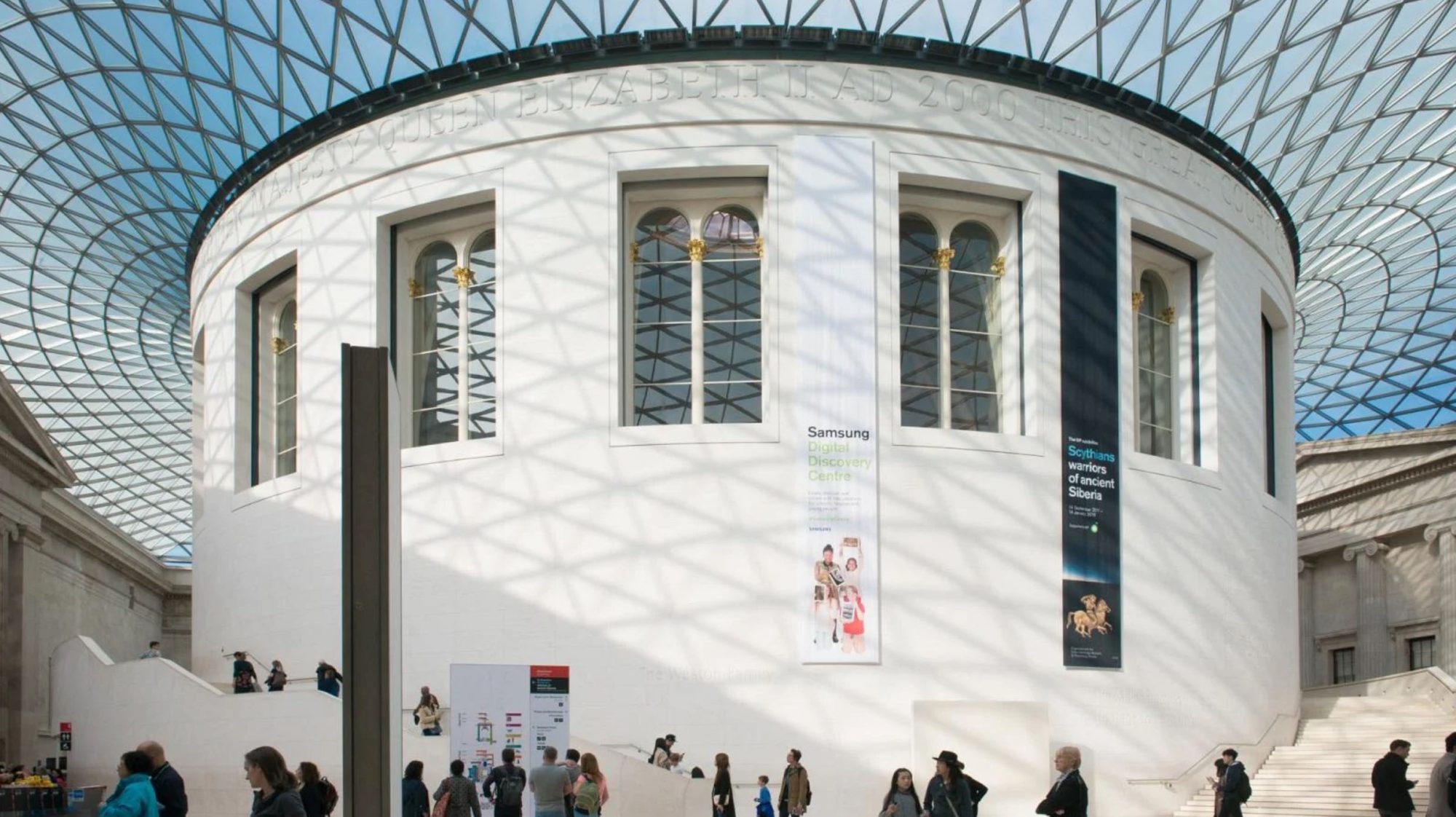
The most-visited attraction in the UK for the second year in a row was the British Museum which saw 6,479,952 visitors with an 11% increase on 2023 numbers, while in second place was Natural History Museum, which also experienced an 11% increase in visitors to 6,301,972.
In third place, and the most visited outdoor attraction, was Windsor Great Park, which welcomed 5,670,430 visitors following a 3% increase, which they attributed, in part, to their new Adventure Play area that encourages children and grown-ups to get out into nature and have outdoor fun.
In fourth place was Tate Modern with 4,603,025 visits, while the Southbank Centre remained in fifth place with an 17% increase to 3,734,075 visitors.
The typical attraction in London saw a 3% increase and Scotland tied with Northern Ireland with a 3.2% increase. The region of England outside London with the biggest year-on-year growth was the East Midlands, which was up 4.5%, followed by Yorkshire & Humberside with 4.2%.
Notable percentage increases in London included the National Portrait Gallery which reopened in summer 2023 and moved up nine places to 18th place, following a 36% increase with 1,578,065 visitors, while Young V&A welcomed 596,100 visitors and moved 35 places to 63rd – which resulted in an increase of 47% in its second year of reopening.
Buckingham Palace moved up 18 places to 58th with 646,832 visitors following a record-breaking year, with the Palace welcoming the most visitors in the history of the Summer Opening, while UK Parliament saw a 196% increase and rose 112 places to 66th position after welcoming 560, 317 visitors.
Entertainment appeared to be a hook for visitors with the Royal Albert Hall seeing a 5% increase and welcoming 1,753,371 visitors – making it the highest generally paid-for venue in London.
Following the success of Barbie: The Exhibition which was the Design Museum’s third most visited in its history, it continues to host the record-breaking Tim Burton exhibition – the most popular exhibition in the museum’s 35-year history; while the V&A South Kensington saw its busiest summer since 2018 – welcoming over one million visitors between July-September, in part thanks to the hugely popular Taylor Swift Songbook trail.
In Scotland, the most-visited free attraction continued to be the National Museum of Scotland, which moved up one place to 11th and saw a 6% increase to 2,314,974 visitors followed by the National Galleries Scotland: National which had a record-breaking year and welcomed 1,999,196 and witnessed a 9% increase to 14th place.
Edinburgh Castle continued to be the most visited paid for attraction in Scotland with a 4% increase in visitors to 1,981,152 (15th place).
The largest percentage increases in Scotland included Craigievar Castle, which re-opened after a period of closure due to repairs and saw a 285% increase: moving 21 places to 321st after welcoming 32,852 visitors, and after being mostly closed until August 2023 due to works, 39,692 visitors went to Caerlaverock Castle with a 114% increase – moving 13 places to 313th place.
In Northern Ireland, Titanic Belfast continued to be the most-visited attraction with a 10% increase to 881,573 visitors moving up eight places to 35th place. Giants Causeway moved up one place to 53rd with 684,146 visitors and Hillsborough Castle saw the largest percentage increase of 20% to 109,639 visitors.
In Wales, the most visited attraction was St. Fagan’s National Museum of History with 600,690 visits (62nd place). It was followed by the National Museum Cardiff with 373,382 visits (117th place), while the highest percentage increase was WWT Llanelli (Wildfowl and Wetland Trust), which saw 8% more visitors (61,705).
Outside London, the most popular English attraction, after Windsor Great Park was Stonehenge, which saw a 3% increase with 1,363,252 visitors (21st place), next was Windsor Castle in 23rd place with 1,336,015 visitors and five places below was RHS Garden Wisley which attracted 1,104,362 visitors (28th), followed closely by The Roman Baths and Pump Room with 1,075,143 visitors (29th).
Bernard Donoghue OBE, director of ALVA, said: “For most visitor attractions, 2024 was a year of steady but not significant growth. The long economic recovery from lockdown during Covid, the effects of the cost-of-living crisis on consumer spending, increasing business costs and modest inbound visitor numbers to the UK mean that 2024 was a financially changing year for visitor attractions.
“The increased National Insurance costs and the decrease in the Employer Allowance threshold, plus raising the rate of national minimum wage, have effectively wiped-out planned surpluses for many attractions or derailed their investment plans, and for some, these unbudgeted unanticipated costs will result in cuts and job losses.”
He added: “The recovery of visitor attractions and the broader cultural and heritage economies remains fragile, but visitors have shown that in their leisure spending they still prioritise day trips to loved attractions, they are keeping up their memberships of favourite organisations and they value spending special time with special people in special places.